
Why Is My Crown Feeling Loose?
Key Takeaways
- A loose crown can shift, click, cause sensitivity, or trap food near the gum line.
- Common causes include worn cement, decay beneath the crown, grinding, or a poor fit.
- Avoid chewing on the affected side and rinse with warm salt water until you see a dentist.
- A dentist can often re-cement the same crown if the tooth underneath is still healthy.
- Regular check-ups help catch wear early, before a small issue becomes a bigger one.
A Crown That Feels Off Is Worth Taking Seriously
You bite into something and notice a faint shift, a small click, or a strange pressure where your crown sits. It might not hurt right away, but something feels different than it did before. That feeling is worth paying attention to.
A loose dental crown is a sign that the seal between the crown and your tooth has weakened. The sooner a dentist takes a look, the better your options tend to be. Whether the fix is simply replacing the cement or something more involved, our team at South Ancaster Family Dental can help you protect the tooth underneath.
Signs Your Crown May Be Loose
Sometimes a loose crown is obvious, but other times the signs are subtle. Keep an eye out for any of the following:
- The crown shifts, rocks, or clicks when you bite down
- Sensitivity to hot, cold, or pressure near the crown
- A bad taste in your mouth, a visible gap at the gum line, or food getting trapped around the crown
A loose crown leaves the tooth beneath it exposed, which can lead to decay or infection if it goes too long without care. If you notice any of these symptoms, you should pay a visit to your dentist.
Common Reasons a Crown Comes Loose
Worn or Weakened Cement
Dental cement is what holds a crown firmly to your tooth. However, this cement does not last forever. Normal chewing, combined with temperature changes from hot and cold foods, gradually breaks down the bond over time. This can happen even when a crown is placed perfectly.
Once the cement weakens enough, the crown starts to lift slightly from the surface of the tooth. That tiny gap is where problems can begin, since bacteria and moisture can work their way in. Dental plaque is especially quick to take advantage of that kind of opening.
Decay or Damage Beneath the Crown
A crown protects the visible part of the tooth, but the tooth structure underneath can still develop decay. When decay changes the shape of that underlying tooth, the crown no longer fits as snugly as it once did. A loose crown can sometimes be the first clue that there may be a deeper problem.
This is one reason why a dentist takes X-rays before simply recementing a crown. Confirming the condition of the tooth beneath the crown is an important part of the replacement process.
Grinding, Trauma, or Poor Fit
If you grind your teeth at night, this repeated force puts a lot of stress on your crowns. A crown that was not fitted precisely from the start may also loosen faster than one that was properly shaped to your bite. In some cases, a physical impact, like a hit to the mouth during a fall or while playing sports, can knock a crown loose right away.
If grinding is a concern for you, a custom night guard can help reduce the stress on your crowns and surrounding teeth.
What to Do Right Away
A loose crown isn’t usually a dental emergency, but it shouldn’t wait either. Aim to see your dentist within a few days to prevent further damage to the tooth underneath.
Protect the Tooth
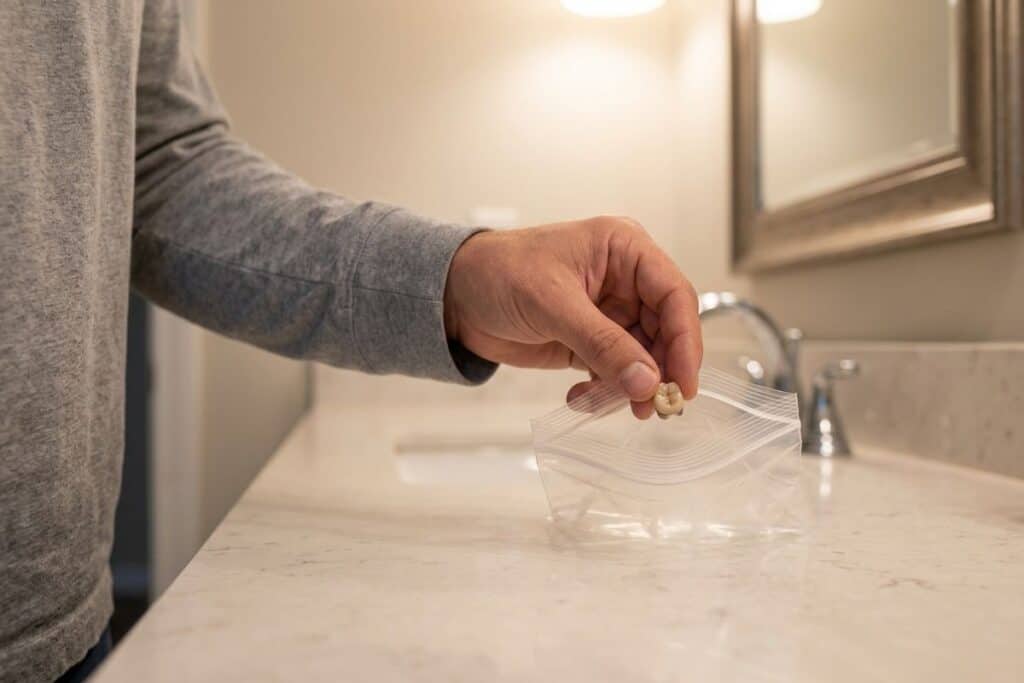
As soon as you notice that your crown feels loose, stop chewing on that side of your mouth. If the crown falls out completely, keep it in a small bag or container and bring it to your appointment. Your dentist may be able to reattach the original crown if it is still intact and the tooth underneath is healthy.
Keep the Area Clean
A loose or missing crown leaves your tooth more vulnerable to bacteria. Rinse your mouth gently with warm salt water a few times a day, especially after meals, to help keep the area clean. Use a soft-bristled toothbrush around the tooth and avoid anything that puts pressure directly on it. Proper brushing and flossing habits around a compromised crown can help extend a crown’s lifespan.
How a Dentist Fixes a Loose Crown
What to Expect at Your Visit
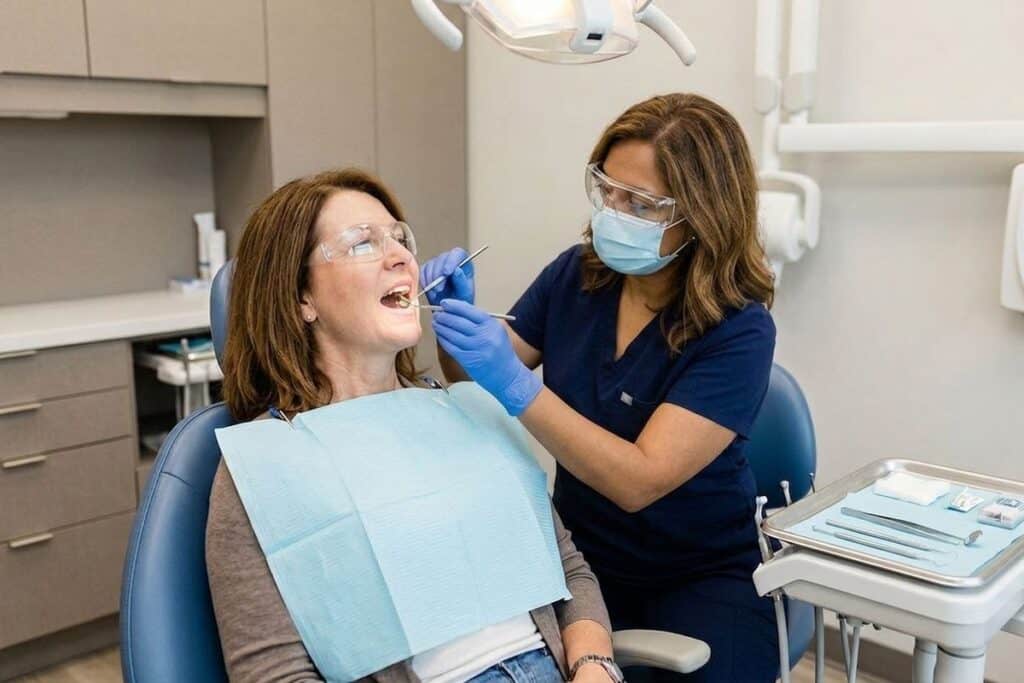
Your dentist will start by taking X-rays to check for decay, fractures, or signs of infection beneath the crown. If the tooth underneath looks healthy, the old cement is cleaned off, then the crown is reattached with fresh dental cement. If the problem is caught early, the whole process is often straightforward.
When a New Crown Is Needed
If the existing crown is cracked, warped, or no longer fits the tooth properly, your dentist will take impressions and have a new crown made. In cases where significant decay is found beneath the crown, a root canal may be needed to remove the affected tissue before a new crown can be placed. Your dentist will explain what the X-rays show and walk you through the options that make sense for your situation.
How to Keep Your Crown in Good Shape
- Avoid hard, sticky, or very chewy foods that put extra stress on the crown
- Talk to your dentist about a custom night guard if you grind your teeth
- Keep up with regular dental check-ups so the team can spot early signs of wear before the crown loosens
With the right care, a dental crown can hold up well for many years. For more on daily habits that support long-term dental health, the Canadian Dental Association’s oral health resources are a useful starting point.
If your crown has been feeling off, our team at South Ancaster Family Dental can take a closer look and recommend the right next step. Book your appointment today.