
Do Whitening Toothpastes Actually Work?
The oral care aisle shelves are filled with toothpastes promising a brighter, whiter smile. It is a tempting solution if you feel your teeth have lost some of their sparkle. You might wonder if these products can deliver on their promises.
Whitening toothpastes can help remove surface stains from your teeth, but they typically do not change the deeper shades within your teeth. Their effectiveness depends on the type of discolouration you have, which is why at South Ancaster Family Dental, we offer different cosmetic dentistry treatments to address different goals.
How Whitening Toothpastes Affect Your Teeth
Whitening toothpastes work differently from regular toothpastes because they contain special ingredients designed to tackle stains. These additives help polish your teeth or lighten their appearance through gentle chemical reactions.
Many whitening toothpastes contain mild abrasive particles. Think of these as tiny, gentle scrubbers. As you brush, they help polish your teeth’s surface, removing daily stains left by coffee, tea, and other colourful foods.
Some formulas also contain chemicals such as hydrogen peroxide or carbamide peroxide. These ingredients can help lighten the colour of your teeth, not just scrub away surface stains. They work by triggering a chemical reaction that breaks down some of the compounds that cause discolouration.
Set Realistic Expectations for Whitening
It is important to understand what a whitening toothpaste can and cannot do for your smile. While they can offer improvement, their results have limits. This helps you choose the right approach for your specific goals.
The main job of a whitening toothpaste is to remove extrinsic stains. These are the stains on the outer layer of your enamel. By clearing away this surface buildup, your teeth can look noticeably brighter and cleaner. It is a good option for maintaining your smile’s appearance day to day.
However, whitening toothpastes cannot change the internal colour of your teeth, also known as intrinsic stain. If your discolouration is from medication or an injury, toothpaste is unlikely to help. These products will also not lighten dental work such as crowns, fillings, or veneers.
Potential Effects on Your Teeth and Gums
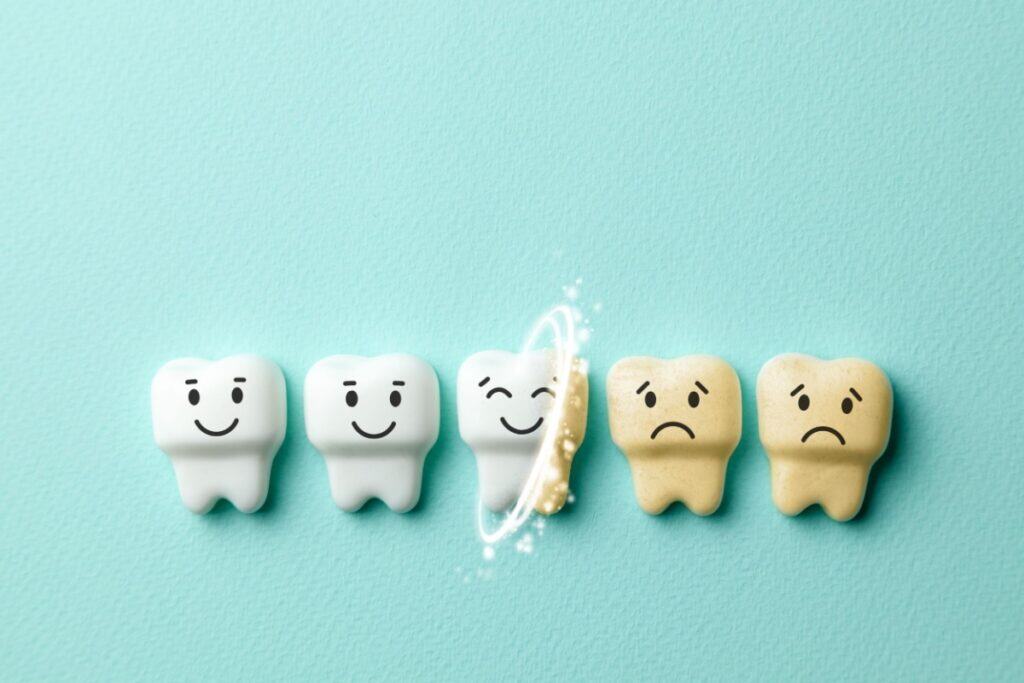
While using whitening toothpastes, you may notice some changes in how your teeth and gums feel. Being aware of these potential effects helps you use them comfortably and know when to take a break.
One of the more common side effects is tooth sensitivity. You might notice this when you consume certain foods and drinks. Signs often include:
- A sharp feeling when you eat or drink something hot or cold
- Discomfort when you brush your teeth
- Sensitivity to sweet or acidic foods
The ingredients that whiten your teeth can also sometimes irritate your gums. You may see your gums become red, feel sore, or look slightly swollen. This discomfort often subsides if you stop using the toothpaste for a while.
Compare Whitening Toothpaste to Professional Options
If you are looking for more noticeable results than toothpaste can offer, professional treatments are another option. Your dentist can provide solutions that work on a deeper level than over-the-counter products.
In-office whitening is performed at a dental clinic. During your treatment, your dentist will apply a protective barrier to your gums and use a professional-strength whitening agent on your teeth. This method can provide significant whitening results in a single visit.
Your dentist can also provide you with custom-made whitening trays that fit your teeth perfectly. This way, you can receive a professional-grade whitening gel to use in these trays at home. The custom fit helps keep the gel on your teeth and away from your gums for even, effective results.
What Treatment Should I Choose?
A whitening toothpaste can be a great choice if you have minor surface stains from food and drinks. It is also an effective way to maintain results after a professional whitening treatment.
If you have deeper stains, sensitive teeth, or want more dramatic results, a conversation with a dental professional is a good next step. Your dentist can help you explore all available options safely to find the right fit for your smile.
How to Maintain Your Smile
Once you have a smile you are happy with, a few simple habits can help you keep it that way. What you eat and how you care for your teeth both play a large part in preventing new stains from forming.
Certain foods and drinks are well-known for causing stains because of their strong colour pigments. To help keep your teeth bright, you may want to monitor your consumption of items such as:
- Coffee & Tea
- Red Wine
- Dark Berries
- Soy Sauce
Enjoy a Brighter Smile Today
Professional cleanings are a key part of maintaining your oral health and the brightness of your smile. During a cleaning, your dentist removes plaque, tartar, and surface stains, helping your teeth look and feel their best.Ready to brighten your smile? Our friendly team at South Ancaster Family Dental can help you explore teeth whitening options that fit your goals and lifestyle. Contact us to schedule an appointment and discover the best approach for achieving a smile you feel confident about.