
Do Root Canals Still Hurt?
You’ve probably heard horror stories about root canal pain that make you want to avoid the dentist altogether. These tales often come from decades past, when dental techniques were far less innovative than today.
Contemporary root canals cause minimal discomfort during the procedure, and most patients experience only mild soreness for a few days afterward. South Ancaster Family Dental uses effective numbing techniques and refined methods that make the experience much more comfortable than you might expect.
What Happens During Your Root Canal Treatment
Your dentist starts by applying a numbing gel to your gum, followed by a local anesthetic injection. This combination blocks all pain signals from the tooth and surrounding area.
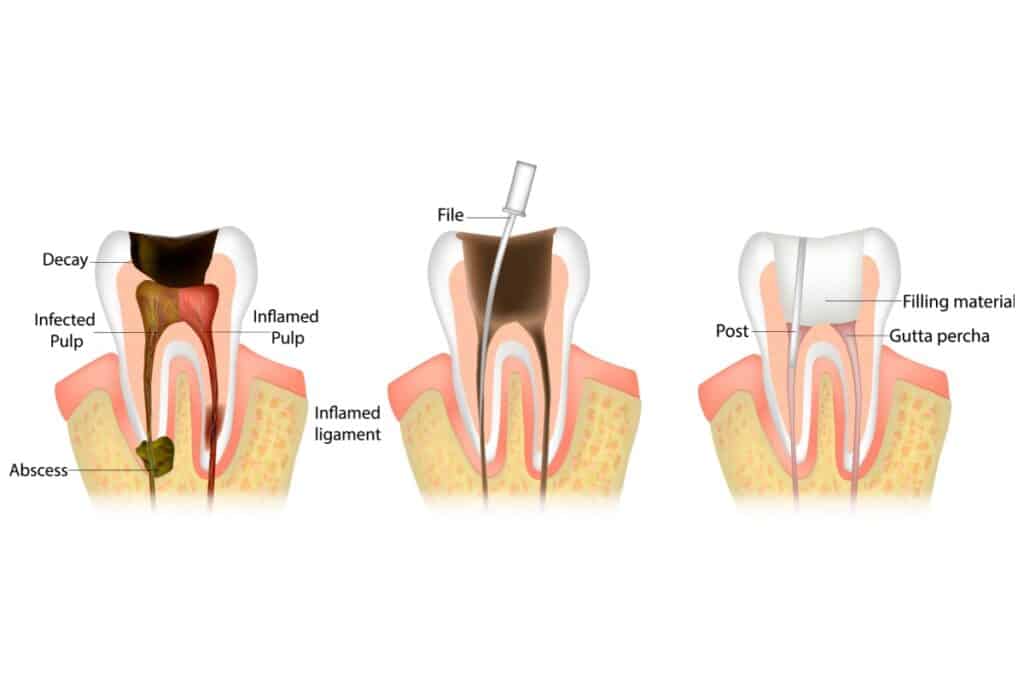
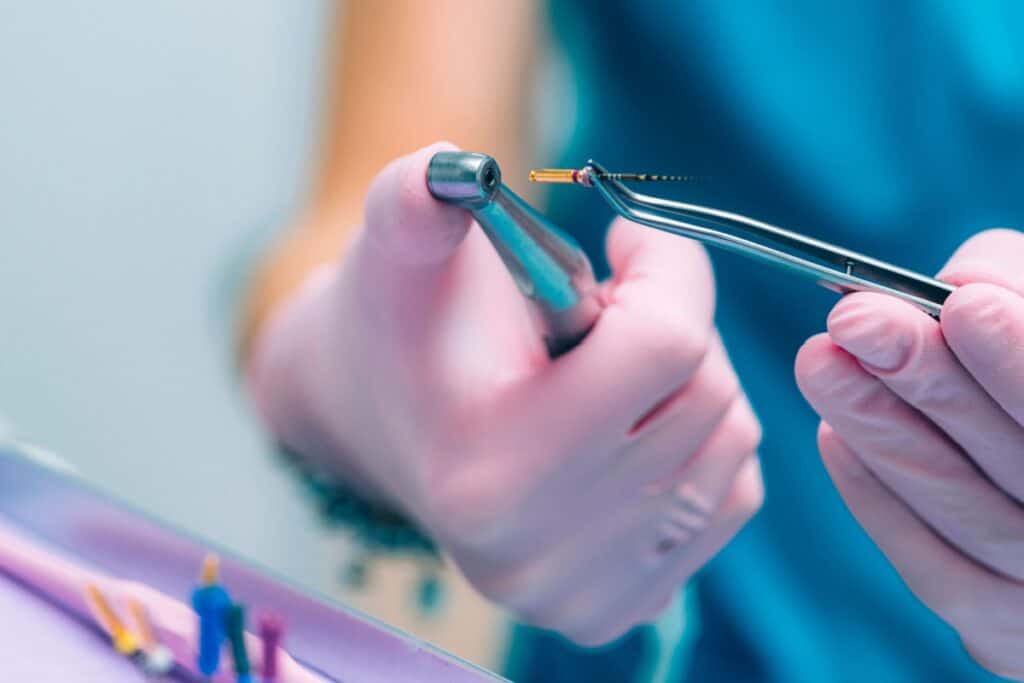
Once you’re completely numb, the dentist creates a small opening in your tooth to access the infected pulp chamber. The infected tissue is carefully removed using specialized instruments.
After removing all infected material, your dentist shapes and disinfects the root canals. The empty space gets filled with a rubber-like material and sealed to prevent future infection.
Pain Management Before & During Treatment
Numbing Methods Your Dentist Uses
Your dentist applies a topical numbing gel before giving you the injection. This step reduces any discomfort from the needle itself.
The local anesthetic injection delivers medication directly to the nerves around your tooth. You’ll feel your lip, cheek, and tongue become numb within a few minutes.
What You Feel During the Procedure
You’ll notice pressure as your dentist works on the tooth, similar to what you feel during a filling. The vibration from dental instruments might seem unusual, but it shouldn’t cause sharp pain.
If you feel any discomfort during treatment, your dentist can provide additional numbing medication. Most patients report feeling relaxed once they realize how manageable the procedure actually is.
Recovery & Post-Treatment Discomfort
Normal Healing Sensations
Your tooth and surrounding gum tissue need time to heal after the procedure. You might notice some tenderness when you bite down on the treated tooth for the first few days.
The area around your tooth may feel slightly sore, similar to how your mouth feels after a cavity is filled. This discomfort typically peaks within 24 hours and then gradually improves.
Managing Discomfort at Home
Over-the-counter pain medications like ibuprofen and acetaminophen can help manage any post-treatment discomfort. Follow the package directions and take medication before the numbing wears off.
A cold compress applied to your cheek for 15 minutes at a time can reduce swelling. Stick to soft foods like yogurt, soup, and mashed potatoes for the first couple of days.
When Root Canals Are More Comfortable Than Waiting
An infected tooth causes constant, throbbing pain that gets worse over time. You might find yourself unable to sleep or concentrate because of the discomfort.
After your root canal, you can return to eating your favourite foods without wincing in pain. The relief you feel from removing the infected tissue often outweighs any temporary post-treatment soreness.
Finding a Hamilton Dentist for Root Canal Care
Look for a dental practice with experience in restorative dentistry procedures. The team should be able to explain their approach to pain management and answer your concerns.
A consultation appointment lets you discuss your anxiety about the procedure and learn about the techniques your dentist uses. You can also ask about what to expect during recovery with proper oral health care.
Your infected tooth won’t heal on its own, and waiting often leads to more complications and discomfort. Our team at South Ancaster Family Dental can help you understand your treatment options and address any concerns about root canal therapy. Contact us today to schedule a consultation and take the first step toward relief from your dental pain.