
Dental Fillings vs. Crowns: Which Do You Need?
When you notice tooth pain or sensitivity, you may wonder which type of dental treatment can help restore your smile. Both fillings and crowns can repair damaged teeth, but each serves a different purpose depending on how much of the tooth needs to be restored.
The choice between a filling and a crown depends on the size and location of the damage to your tooth. Small cavities typically need fillings, while larger areas of decay or structural damage require crowns for proper protection.
What Are Dental Fillings & How Do They Work?
Dental fillings repair small areas of tooth decay by removing the damaged portion and filling the space with restorative material. This treatment stops decay from spreading further into your tooth while restoring its normal function.
Your dentist can use different materials for your filling. Composite resin matches your tooth colour and works well for visible teeth. Amalgam fillings contain metal alloys and provide durability for back teeth that handle heavy chewing.
The filling procedure typically takes one appointment. Your dentist numbs the area, removes the decayed material, and shapes the filling to match your bite. You can usually return to normal eating within a few hours once the numbness wears off.
What Are Dental Crowns & When You Might Need One
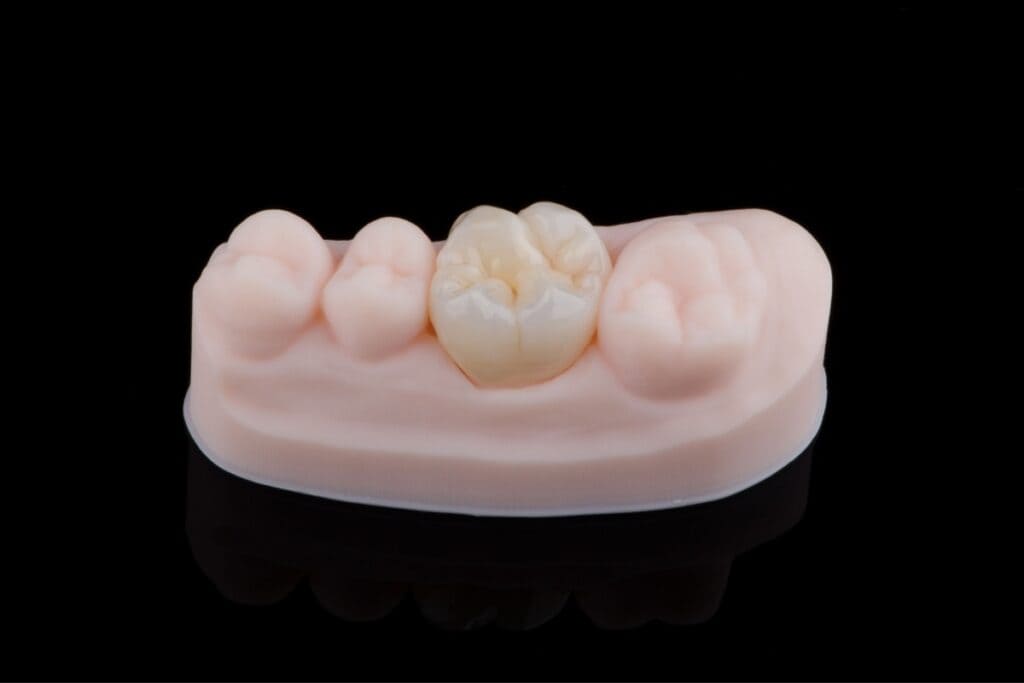
A dental crown covers your entire tooth above the gum line, providing protection and restoring both function and appearance. Think of it as a custom-fitted cap that strengthens a damaged tooth.
Crowns come in several materials including porcelain, metal, or a combination of both. Porcelain crowns look natural and work well for front teeth, while metal crowns offer strength for molars that handle heavy chewing pressure.
The crown procedure typically requires two visits. During the first appointment, your dentist prepares the tooth and takes impressions, then places a temporary crown while the permanent one is being made. At the second visit, the custom crown is fitted and cemented in place.
Key Differences Between Fillings & Crowns
Amount of Tooth Structure Involved
Fillings preserve most of your natural tooth structure. Your dentist only removes the decayed area and adds filling material to restore the tooth’s shape.
Crowns require removing more tooth structure to make room for the crown material. This process reshapes your tooth so the crown fits properly and maintains normal bite alignment.
Treatment Timeline & Process
You can complete a filling in a single visit that lasts about 30 to 60 minutes. The straightforward procedure means you can return to your regular activities the same day.
Crown treatment spans two appointments over a few weeks. The first visit involves tooth preparation and temporary crown placement. The second appointment focuses on fitting and cementing your permanent crown.
Cost Considerations for Your Family
Fillings typically cost less than crowns because they require less time and materials. Many dental insurance plans cover a significant portion of filling costs since they’re considered basic preventive care.
Crowns involve higher costs due to the laboratory work and multiple appointments required. Insurance often covers crowns when they’re medically necessary, although the percentage covered may differ from what your plan offers for fillings.
Signs You May Need a Filling
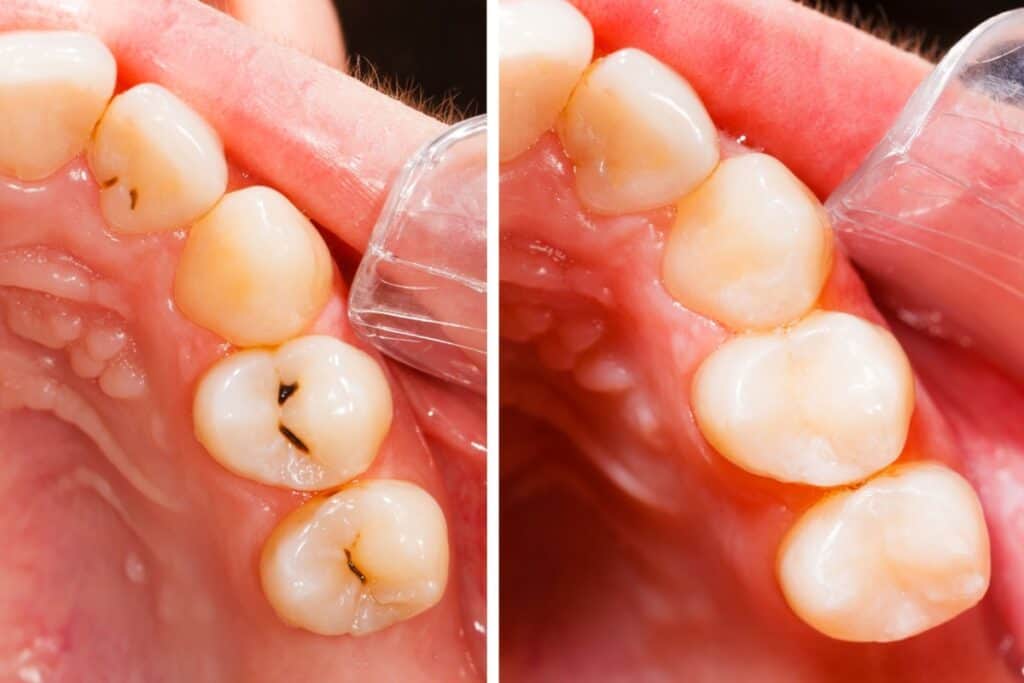
Fillings are typically used for early or moderate tooth damage. You may need one if you notice:
- Small cavities or minor tooth decay: Early decay often starts without pain, but it can spread quickly if not treated.
- Tooth sensitivity to hot or cold: A sudden zing when drinking or eating can indicate enamel loss or early decay.
- Small chips or cracks in teeth: Minor damage can expose the inner layers of the tooth and make it more vulnerable to decay.
- Visible dark spots on teeth: Brown or dark areas may signal decay developing beneath the surface.
- Mild tooth pain when chewing: Discomfort when you bite down can be an early sign that decay or a small fracture needs attention.
How Your Dentist Decides Between Treatments
Examination Process
Your dental evaluation begins with a visual examination of your teeth and gums. The dentist looks for signs of decay, cracks, or other damage that might not be visible to you.
X-rays help reveal decay between teeth or below existing fillings. This imaging shows the extent of damage and helps determine whether a filling can provide adequate repair or if a crown offers protection for your tooth.
Factors That Influence the Decision
The size of the cavity plays the main role in treatment choice. Small areas of decay respond well to fillings, while large cavities that affect more than half the tooth typically need crown protection.
Your tooth’s location also matters. Back teeth handle heavy chewing forces and may need crowns even for moderate damage. Front teeth might work well with fillings if the decay doesn’t compromise their structural integrity.
Large areas of decay or damage, severely cracked or broken teeth, teeth weakened by large old fillings, discoloured or misshapen teeth, and teeth that need root canal treatment typically require crowns instead of fillings.
What to Expect During Each Treatment
The Filling Procedure
The filling procedure is straightforward and usually completed in a single visit. Your dentist begins by numbing the area around your tooth with local anaesthetic. Once you’re comfortable, they remove the decayed material using special dental instruments.
The cleaned cavity is filled with your chosen material and shaped to match your natural bite. Your dentist then polishes the filling and checks that everything feels comfortable when you bite down.
The Crown Procedure
Crown treatment begins with tooth preparation after numbing the area. Your dentist removes damaged portions and shapes the tooth to support the crown properly.
Impressions of your prepared tooth help create your custom crown. You’ll receive a temporary crown to protect your tooth until the permanent one is ready. The final appointment involves removing the temporary crown and cementing the permanent one in place.
Both fillings and crowns need proper care to last as long as possible. Your daily brushing and flossing routine remains the same, though you might need to be gentle around the treated area for the first few days. Avoid hard or sticky foods immediately after treatment to prevent damage while your mouth adjusts.
Take the Next Step Toward a Healthy, Restored Smile
Regular dental checkups help ensure your fillings and crowns stay in good condition and continue to protect your teeth. If you are experiencing tooth pain, sensitivity, or think you may need restorative treatment, the team at South Ancaster Family Dental can assess your needs and explain your options.
Schedule your consultation today to find out whether a filling or crown is the right solution for your smile.