
Can Dry Sockets Heal on Their Own?
After a tooth extraction, your focus is on a smooth and comfortable recovery. You follow the aftercare instructions carefully, expecting to feel a little better each day. But what happens when the pain unexpectedly gets worse instead of better? This could be a sign of a common complication known as a dry socket.
You may wonder if you can just wait it out and let the issue resolve itself. While a dry socket can eventually heal on its own, this process is often slow and very painful, and it leaves you open to the risk of infection. Seeking professional dental care is the recommended approach to managing discomfort and supporting proper healing.
What Is a Dry Socket & How Does It Form?
The Role of a Blood Clot
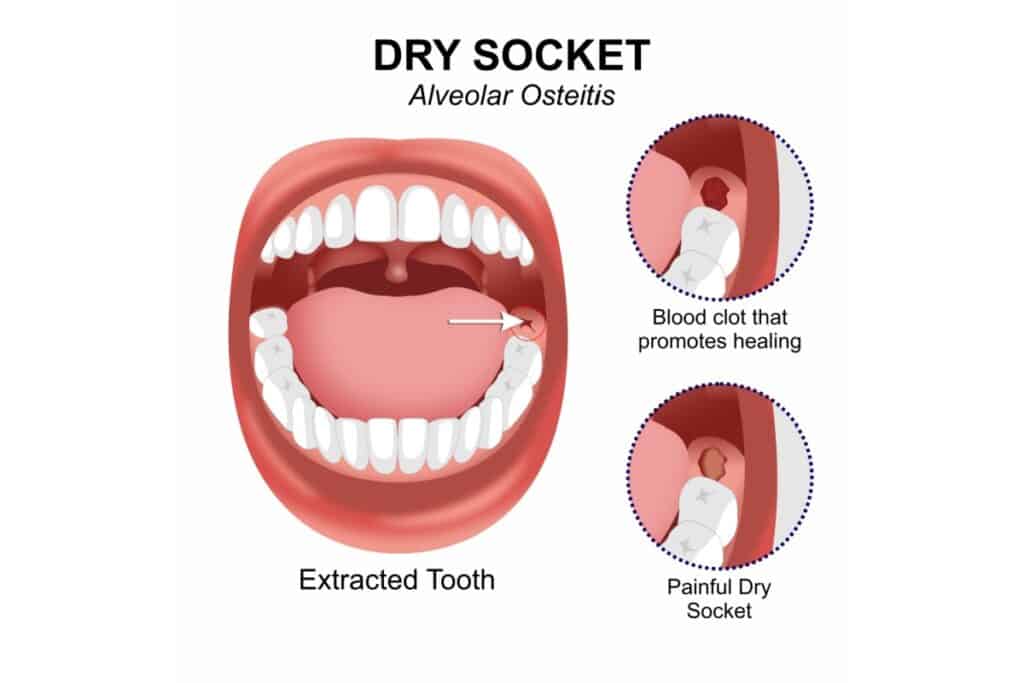
When a tooth is removed, a blood clot forms in the empty socket. This clot is a natural and important part of the healing process. It acts as a protective layer over the underlying bone and sensitive nerve endings. It also creates a foundation for new gum tissue and bone to grow, helping your mouth recover properly.
How a Dry Socket Happens
A dry socket occurs when that protective blood clot is dislodged or dissolves too early. This leaves the bone and nerves exposed to air, food, and fluids. The exposure is what causes the significant discomfort associated with the condition and can interrupt the normal healing timeline.
Signs You Might Have a Dry Socket
Symptoms of a dry socket usually appear a few days after your tooth extraction. You might notice:
- Severe discomfort at the extraction site that may feel like a throbbing ache.
- Pain that radiates from the socket up toward your ear, eye, or temple on the same side of your face.
- A visible change in the socket. It may look empty with visible bone instead of a dark blood clot.
- An unpleasant taste in your mouth or persistent bad breath.
Factors That Increase Your Risk
Certain Actions & Habits
Some of your actions after surgery can affect the stability of the blood clot. Using tobacco products can interfere with healing. The suction created from drinking through a straw or smoking can also dislodge the clot. Even rinsing or spitting too forcefully in the first few days can disturb the extraction site.
Other Potential Causes
Some people are more prone to developing a dry socket. A particularly difficult or complex tooth extraction can increase the chances. If you have had a dry socket in the past, you may have a higher likelihood of experiencing it again. Oral contraceptives can also influence the healing process, as high levels of estrogen can interfere with blood clotting and cause the protective clot to dissolve prematurely.
Professional Care for a Dry Socket
Why You Should See a Dentist
If you suspect you have a dry socket, a dental exam is an important step. A dentist can help properly manage your discomfort, which can be quite severe. Professional care also promotes a faster, smoother healing process and lowers your chance of developing a secondary infection in the exposed socket.
What a Dentist Can Do to Help
Our team can take specific steps to provide relief and aid recovery. The typical treatment involves a few steps:
- The dentist gently flushes the socket to remove any food particles or debris.
- A medicated dressing is often placed inside the socket to soothe the area and cover the exposed bone.
- The team can provide clear instructions for at-home care to help you stay comfortable as you heal.
The Healing Process & Timeline
What to Expect with Treatment
With professional treatment, you can often feel pain relief quite quickly. The medicated dressing soothes the exposed nerves and protects the area. The socket can then typically heal over the next 7–10 days. Your dentist can monitor your progress to help your recovery stay on track.
The Process Without Professional Help
If left alone, the socket can eventually fill in with new tissue from the sides. However, you may have to endure significant pain for much longer without treatment. This extended period of discomfort is why a dentist can be a valuable partner in helping you recover more comfortably.
Get Treatment for Dry Socket Pain
You do not have to manage severe discomfort after a tooth extraction on your own. Our team at South Ancaster Family Dental is here to assess your situation and provide the care you need. Contact us today to schedule an appointment.