
Signs Your Dental Crown Needs to Be Replaced
A dental crown can restore a tooth, letting you chew and smile with ease again. It covers and protects a damaged tooth, blending in with your other teeth so you can go about your day without a second thought. But like any dental restoration, a crown has a lifespan and can show signs of wear over time.
Recognizing the signals of a problem is the first step toward keeping your smile healthy. You may need to replace your dental crown if you notice visible damage, feel pain or sensitivity, or if the crown feels loose. Pay attention to these changes so you can address potential issues early.
How a Dental Crown Works
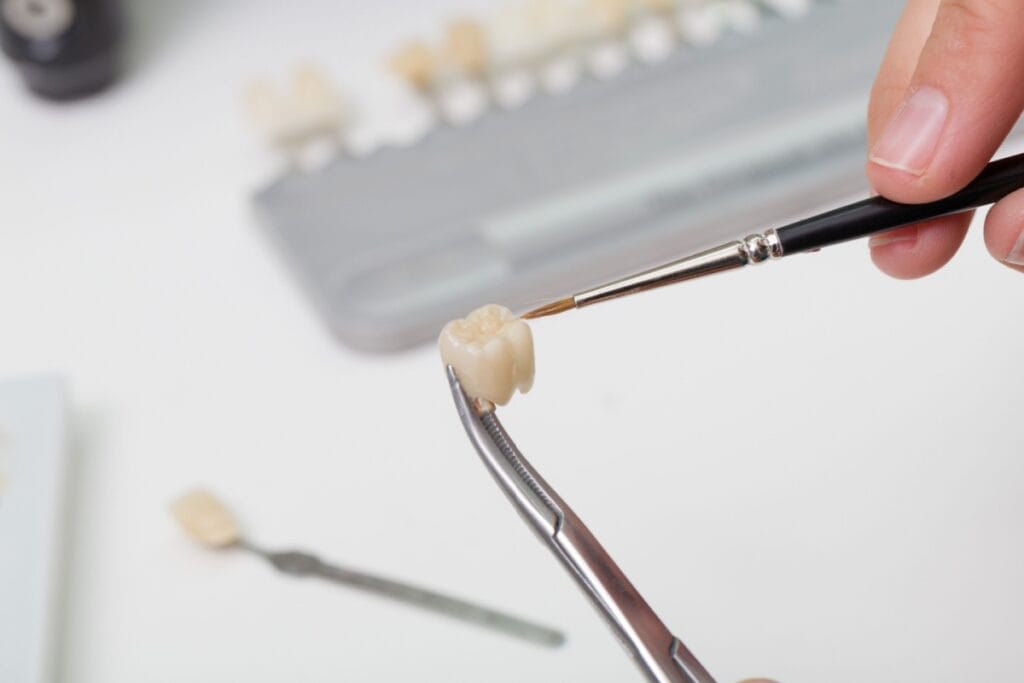
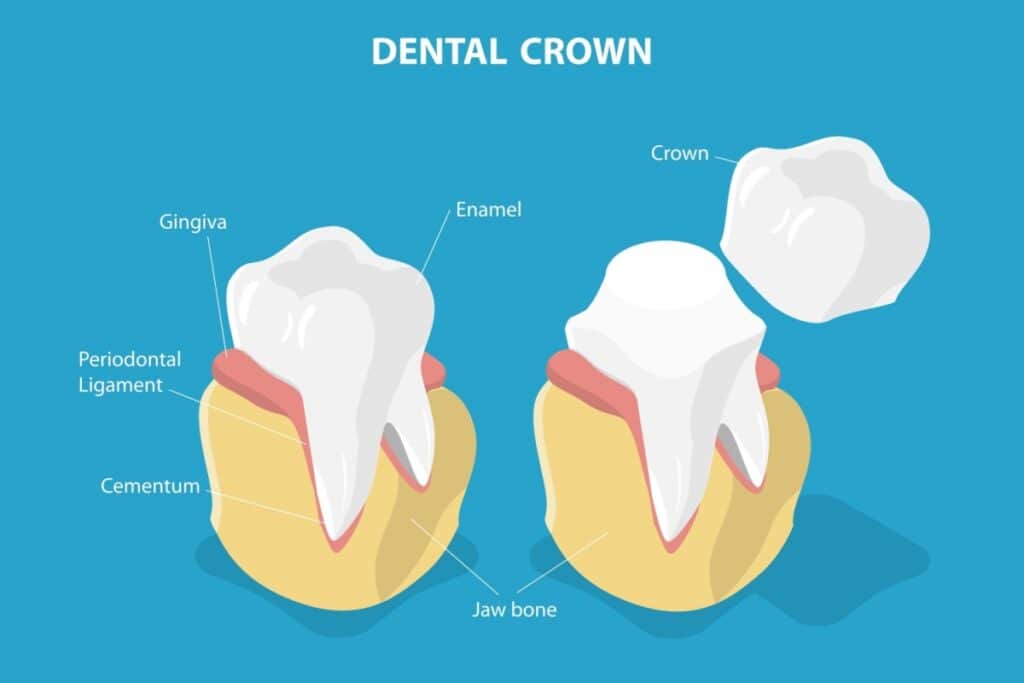
Your dental crown is a custom-made cap that fits over your tooth. Its job is to restore the tooth’s original shape, size, and strength, and to improve its appearance. Crowns are made from durable materials designed to handle the daily pressures of biting and chewing.
While they are built to last, crowns do not last forever. Over many years, the simple act of eating can cause wear. This gradual breakdown can affect your crown’s fit and function, potentially requiring a replacement.
Physical Signs of a Worn or Damaged Crown
You can often see or feel when a crown has a problem. It is a good idea to pay attention to how the crown and the surrounding area look and feel in your mouth. Noticeable changes are clear indicators that it is time for a dental check-up and may include:
- Visible damage to the crown: Take a look at the surface of your crown in the mirror. You might see small chips, cracks, or even larger fractures. This kind of damage can weaken the crown’s structure and create spaces where food particles and bacteria can collect, potentially exposing the tooth underneath.
- A dark line at your gumline: Some crowns have a metal base fused to porcelain. If you notice a dark, thin line right where the crown meets your gum, it may mean your gums have receded slightly. This recession can expose the metal edge of the crown, which is a cosmetic concern for some and may indicate that your dentist needs to check the crown’s fit.
- A loose or wobbly feeling: Your crown should always feel stable and secure, just as your natural teeth do. If it feels loose or moves when you chew or when you touch it with your tongue, the dental cement holding it in place may have washed away or broken down. A loose crown cannot protect your tooth properly.
Pain or Discomfort Around Your Crowned Tooth
New or unusual discomfort is a common signal that your crown may need to be evaluated by a professional. You should not ignore pain, as it often points to an underlying issue with the crown or the tooth it protects. Symptoms can include:
- Pain when you bite down or chew
- Swelling or tenderness in the gums surrounding your crown
- Sudden sensitivity to hot or cold foods and drinks
- A persistent, dull ache in or around your tooth
This type of pain can sometimes indicate a problem inside your tooth that may require a root canal treatment.
The Age of Your Crown
Most dental crowns function well for between 10 and 20 years, though this can vary depending on your oral habits and the material used. If you know your crown is getting older, it is wise to have it monitored during your regular dental visits.
During a routine exam, your dentist can carefully assess the condition of your crown. The team can check for hidden cracks, evaluate the seal at the gumline, and take X-rays to see the health of the tooth beneath it. This proactive approach helps spot issues before they become more complex.
Your Next Steps and Possible Solutions
If you notice any of these signs, the recommended step is to schedule a dental appointment. You should not try to fix a loose, broken, or painful crown on your own, as this can cause more damage to the crown or your tooth. A dentist can properly examine the area to find the source of the problem.
After an examination, your dentist can discuss the condition of your crown and tooth. Based on what they find, they may discuss a few options to restore your tooth’s health and function.
For very minor chips that do not affect the crown’s strength, a simple repair might be an option. However, for more significant damage or an old, worn crown, a full replacement is often recommended. A new crown provides comprehensive protection for your underlying tooth.
Sometimes the issue is not just with your crown but with the tooth beneath it. If new decay has formed along the edges of your crown, it will need to be removed and the tooth restored. Only then can a new, properly-fitting crown be made and placed.
Protect Your Oral Health Today
A dental crown is an effective way to protect a tooth, but it requires care and attention just like the rest of your smile. By looking for signs of wear, damage, or discomfort, you can take an active role in your oral health.
If you have concerns about your dental crown, our team at South Ancaster Family Dental is here to help. Contact the office to schedule an examination and discuss your options for a healthy, comfortable smile.