
Can Receding Gums Grow Back?
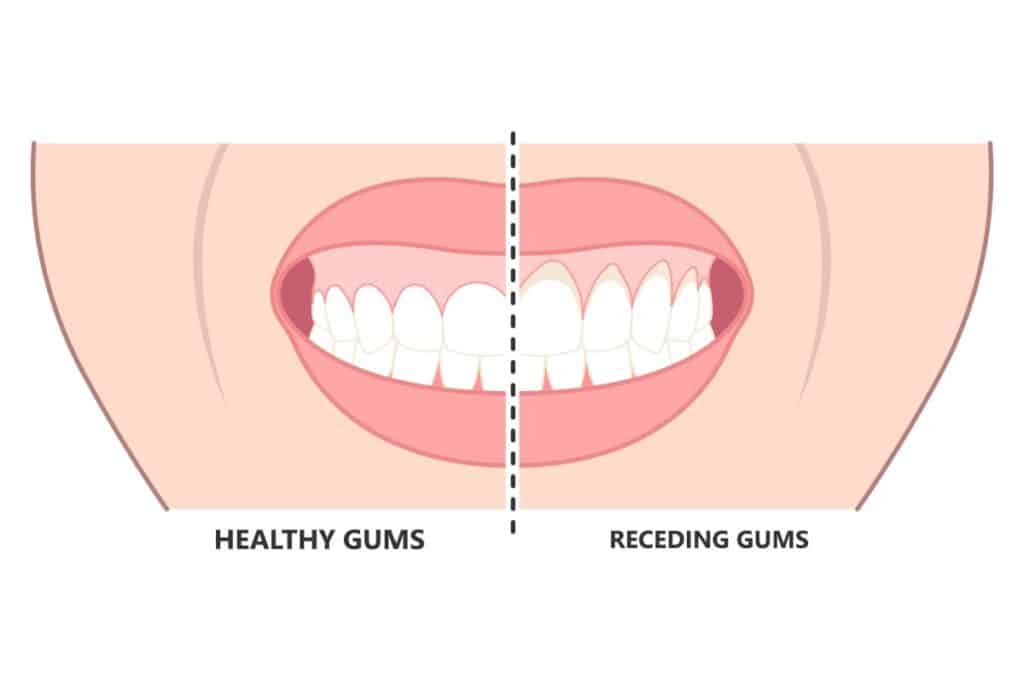
Receding gums are a common concern that affects many adults. You might notice your teeth looking longer than they used to, or feel sharp pain when you drink something cold. These changes often indicate that your gums are pulling away from your teeth, leaving them vulnerable to decay that may require more invasive dental treatment.
Unfortunately, receding gums cannot grow back naturally once the tissue has pulled away from your teeth. However, professional treatments like gum grafting can help stop further recession and restore some coverage to protect your exposed tooth roots.
What Happens When Your Gums Recede
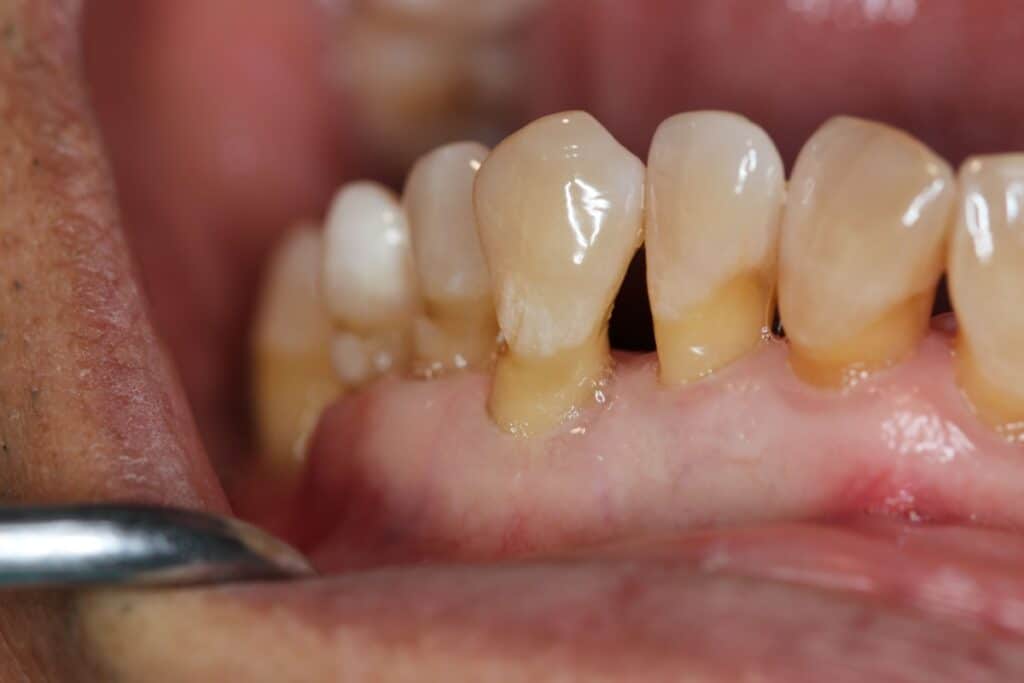
Gum recession occurs when the tissue around your teeth gradually pulls away, exposing the roots underneath. This process happens slowly over months or years, which is why many people don’t notice it right away.
When your tooth roots become exposed, they lose the protective covering that your gums normally provide. This leaves the sensitive root surface vulnerable to temperature changes, bacteria, and physical damage that can lead to pain and decay.
Signs Your Gums May Be Receding
The signs are not always obvious at first. Some indicators that your gums are receding include:
- Teeth appear longer than before
- Increased tooth sensitivity to hot or cold
- Visible tooth roots showing as darker areas
- Gaps or pockets between teeth and gums
- Bleeding during brushing or flossing
Why Gum Tissue Cannot Regrow Naturally
Unlike other parts of your body that can heal and regenerate, gum tissue has limited ability to grow back once it recedes. It doesn’t contain the same regenerative cells that help cuts on your skin heal completely.
Once gum tissue pulls away from your teeth, it typically stays in that position without professional treatment. The damage becomes permanent, which is why preventing gum recession is much easier than trying to reverse it after it happens.
Common Causes of Gum Recession
Understanding what causes gum recession can help you protect your gums from further damage.
Gum Disease & Poor Oral Care
Plaque buildup along your gum line feeds bacteria that irritate and inflame your gums. Over time, this inflammation weakens the tissue and causes it to pull away from your teeth, creating deeper pockets where more bacteria can hide.
Tobacco and vaping can also severely harm your gums, causing them to recede and become infected. One of the best ways to protect your oral health is to stop smoking and vaping.
Brushing Too Hard
Using a hard-bristled toothbrush or applying too much pressure can gradually wear away your delicate gum tissue. This mechanical damage happens so slowly that you might not realize you’re causing harm until you notice recession. Gentle pressure and circular motions help protect your gums.
Genetics & Age-Related Changes
Some people inherit thinner gum tissue that is more prone to recession, regardless of their oral care habits. Additionally, your gums naturally change as you age, becoming less resilient and more likely to pull away from your teeth.
Teeth Grinding & Misaligned Bite
Grinding or clenching your teeth puts excessive pressure on your gums and the supporting bone structure. Crooked teeth or an uneven bite can also create areas where gum tissue faces added stress and becomes more likely to recede. If you grind your teeth, custom nightguards can help protect your gums and teeth.
Treatment Options for Receding Gums
Your dentist can perform scaling and root planing to remove plaque and bacteria from below your gum line. This deep cleaning helps reduce inflammation and can prevent recession from worsening, though it won’t restore lost gum tissue.
Fluoride treatments help strengthen exposed tooth roots and reduce sensitivity. Your dentist might also apply protective coatings or recommend special toothpaste to help manage discomfort from recession.
If necessary, your dentist can cover exposed tooth roots with a gum graft. During gum grafting, tissue is taken from another area of your mouth and attached to the receded area. This surgical procedure can cover exposed roots and restore a more natural gum line around your teeth.
When to See Your Dentist About Receding Gums
Schedule an appointment if you notice any signs of gum recession, particularly increased sensitivity or visible changes in your gum line. Early intervention can help prevent the recession from progressing to more serious stages that require surgical treatment.
While receding gums won’t grow back on their own, at South Ancaster Family Dental we can help stop further recession and restore protection to exposed roots. Schedule your consultation today to explore treatment options for your gum health.