
Why Do My Gums Bleed When I Floss?
You may feel some soreness while flossing and then notice blood on the floss. Although it can be surprising, bleeding gums are a common sign of irritation or early gum problems that can often be improved with proper care.
Bleeding gums during flossing often point to plaque buildup or gingivitis, although flossing too hard can also irritate your gums. The good news is that most cases of bleeding gums can improve with proper home care and professional dental treatment when needed. Bleeding is generally just a sign that your gums are reacting to irritation, and identifying the reason makes it easier to address.
What Causes Bleeding Gums During Flossing
Plaque Buildup Along Your Gum Line
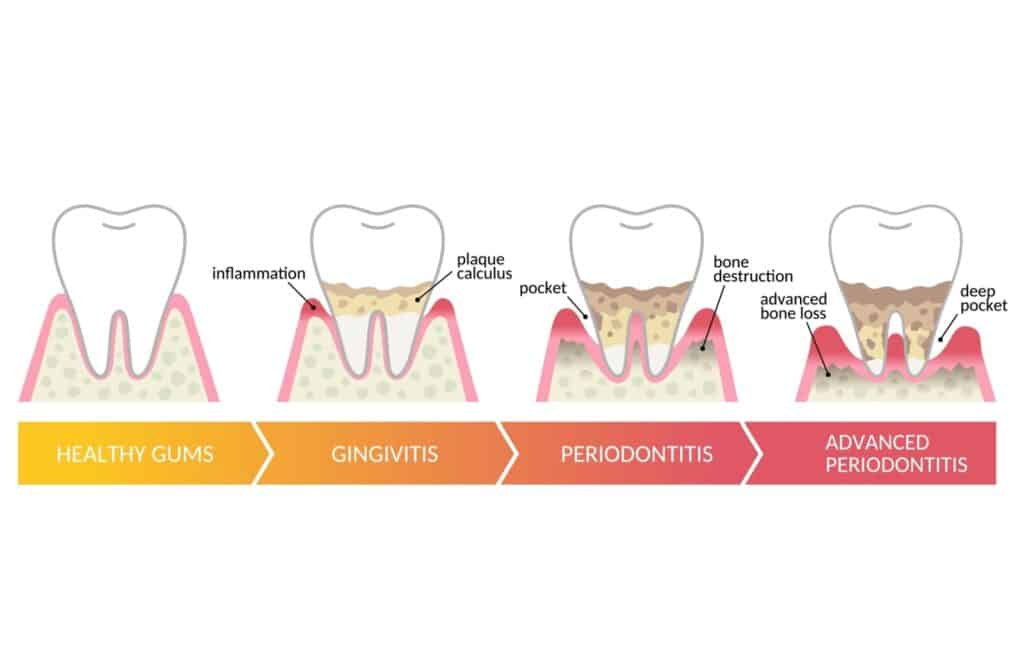
Plaque forms on your teeth every day, creating a sticky film that harbours bacteria. When plaque sits along your gum line for too long, it irritates the delicate gum tissue. Your gums become inflamed and tender, making them more likely to bleed when you floss.
This plaque hardens into tartar if you don’t remove it through regular brushing and flossing. Tartar creates a rough surface that makes it even easier for more plaque to stick to your teeth.
Gum Disease in Its Early Stages
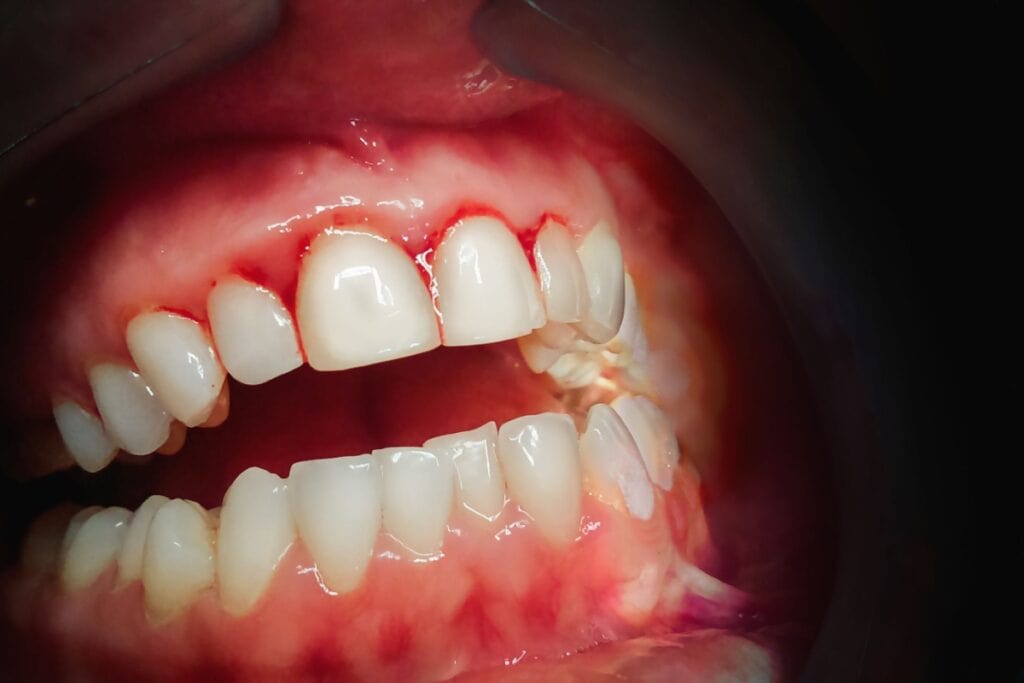
Gingivitis is the earliest form of gum disease, and bleeding during flossing is often one of the first signs. The bacteria in plaque produce toxins that cause your gums to become inflamed. At this stage, you might not feel any pain, but your gums bleed easily when you clean between your teeth.
Early gum disease is reversible with proper care and professional cleaning. However, leaving it untreated can lead to more serious problems that affect the tissues and bone supporting your teeth.
Aggressive Flossing Technique
You might think that flossing harder can remove more plaque, but aggressive technique actually damages your gums. Snapping the floss down forcefully or sawing back and forth can cut into your gum tissue. This trauma causes bleeding and can push bacteria deeper under your gum line.
Many people also use too much pressure when they’re just starting a flossing routine. Your gums need time to get used to regular cleaning between your teeth.
Medical Conditions That Affect Your Gums
Certain health conditions make your gums more prone to bleeding. Diabetes affects your body’s ability to fight infection, including gum infections. Pregnancy hormones can make your gums more sensitive and likely to bleed during routine cleaning.
Some medications, particularly blood thinners, can also increase bleeding in your gums. Nutritional deficiencies, especially vitamin C deficiency, can affect your gum health too.
How to Tell If Your Bleeding Gums Need Professional Care
Signs That Point to Gum Disease
Several symptoms can suggest that your bleeding gums are caused by gum disease rather than aggressive flossing. These signs often appear gradually and may become more noticeable over time:
- Red or swollen gums: Inflammation is one of the earliest indicators of gum disease.
- Persistent bad breath: Bacteria below the gum line can create ongoing odor that doesn’t improve with brushing or mouthwash.
- Gums that pull away from your teeth: Receding gums can expose more of the tooth and create pockets where bacteria can collect.
- Loose teeth: As gum disease progresses, the supporting bone and tissues may weaken, causing teeth to shift or feel less stable.
When Bleeding Happens Every Time You Floss
Occasional light bleeding when you floss isn’t unusual, especially if you’ve skipped flossing for a while. However, consistent bleeding every time you clean between your teeth suggests ongoing inflammation. Your gums should become healthier and bleed less as you maintain a regular flossing routine.
If you’ve been flossing gently and consistently for two weeks and still see blood every time, this indicates a problem that needs professional attention.
Pain That Comes With the Bleeding
Healthy gums typically don’t feel sore when you floss gently, so pain along with bleeding can indicate that your gums are inflamed or irritated. This discomfort might feel like tenderness, sensitivity, or a sharper twinge in certain spots. If the pain doesn’t improve with consistent, gentle home care, it may be a sign to have your gums checked by your dentist.
Proper Flossing Technique to Prevent Gum Damage
Choose the Right Type of Floss for Your Teeth
Different types of floss work better for different people. Waxed floss slides more easily between tight teeth, while unwaxed floss can grip plaque more effectively. If you have larger spaces between your teeth, dental tape covers more surface area.
Water flossers can be gentler on sensitive gums and easier to use if you have trouble with traditional floss. The key is finding a method you’ll use consistently.
Use Gentle Pressure & Smooth Motions
Guide the floss between your teeth with a gentle rocking motion rather than forcing it down. Once the floss reaches your gum line, curve it and slide it up and down against the tooth surface. You want to clean the tooth without digging into your gums.
Think of flossing as wiping the sides of your teeth clean rather than cutting through tough material. Gentle, consistent pressure removes plaque without damaging your gum tissue.
Work the Floss Into a C-Shape Around Each Tooth
When the floss reaches the space between your teeth, wrap it into a C-shape around one tooth. This curved shape helps the floss follow the natural contour of your tooth and clean more effectively. Slide the floss up and down several times before moving to the adjacent tooth.
Clean Both Sides of Every Tooth
Each space between your teeth has two tooth surfaces that need cleaning. After you clean one side, curve the floss around the neighbouring tooth and repeat the process. This helps you remove plaque from both surfaces in each gap.
Home Care Steps to Reduce Gum Bleeding
Start Flossing More Regularly
If your gums aren’t used to regular flossing, they may bleed at first as they adjust. Gentle daily flossing can help reduce inflammation and remove the plaque that contributes to bleeding. Many people notice improvement within a week or two of consistent, proper flossing, but if bleeding continues, it may indicate an underlying gum issue that needs professional attention.
If your gums are very sensitive, you can start by flossing every other day and gradually work up to daily cleaning. The goal is to establish a routine that removes plaque before it can irritate your gums.
Rinse With Warm Salt Water
A warm salt water rinse can help soothe inflamed gums and reduce bacteria in your mouth. Mix half a teaspoon of salt in a cup of warm water and swish it around your mouth for 30 seconds. Do this once or twice a day after flossing.
The salt water helps reduce swelling and creates an environment that’s less favourable for harmful bacteria. This simple remedy can speed up healing in your gums.
Switch to a Soft-Bristled Toothbrush
Soft-bristled toothbrushes are generally the best choice for both your teeth and your gums. They clean effectively while being gentle on tooth enamel and gum tissue. Hard or medium bristles can wear down enamel over time and irritate your gums, especially if you brush with too much pressure.
Replace your toothbrush every three months, or sooner if the bristles start to fray. Electric toothbrushes with pressure sensors can also help you avoid brushing too hard and provide consistent, gentle cleaning that many people find easier to use than a manual brush.
Give Your Gums Time to Heal
Healing inflamed gums takes time and consistent care. You might see some improvement within a few days, but it often takes a couple of weeks for your gums to feel noticeably healthier. Continue gentle daily flossing even if you see occasional bleeding during this period.
Professional Treatment Options for Bleeding Gums
Deep Cleaning to Remove Tartar Buildup
Professional dental cleaning removes tartar that you can’t eliminate with home care. The dental hygienist uses special instruments to clean below your gum line, removing the bacteria and hardened plaque that cause inflammation. This deep cleaning gives your gums a fresh start for healing.
Some people need more frequent cleanings than the standard six-month schedule, especially if they’re prone to tartar buildup or have a history of gum problems.
Treatment Plans for Gum Disease
If you have gum disease, our dental team can create a treatment plan specific to your needs. This might include scaling and root planing, which is a deeper cleaning that smooths the tooth roots and helps your gums reattach to your teeth.
The dentist can also recommend products like antimicrobial mouth rinses or prescription toothpaste to help control bacteria in your mouth. Restorative treatments may also be necessary if gum disease has affected your tooth structure.
Regular Check-ups With Your Ancaster Dentist
Regular dental visits help catch gum problems before they become serious. Your Ancaster dentist can spot early signs of gum disease that you might not notice at home. Professional cleanings every six months remove plaque and tartar buildup that contributes to gum bleeding.
Don’t let bleeding gums keep you from maintaining good oral health. Our team at South Ancaster Family Dental can evaluate your gums and help you develop an effective home care routine.
Schedule an appointment today to get your gums back to healthy condition.