
When Is It Too Late for a Cavity Filling?
As a busy parent, it can be easy to put a small toothache on the back burner, but timely family dental care is important. You might wonder if you’ve waited too long to address it. This is a common question, and it’s helpful to know how cavities progress and what you can do at each stage.
It’s rarely too late to fix a cavity, but there does come a point when a filling won’t be enough. If decay has spread too far, your dentist may recommend a crown or root canal instead. Modern restorative dentistry offers many ways to repair a tooth, even if a simple filling is no longer enough. The key is to seek a professional opinion to find the right solution for you.
Notice the Early Signs of a Cavity
Catching a cavity early can make a big difference in your treatment. Your body often gives you small clues that something needs attention. It’s a good idea to listen to these signals before a small issue becomes more complex.
What to Look For at Home
Sometimes, the first signs of a cavity are very subtle. You might not feel any pain at first, which is why it’s important to pay attention to other changes. A professional dental exam can help confirm what’s happening inside your mouth.
You may notice things like:
- A new sensitivity to sweet, hot, or cold foods
- A dull ache or mild pain in a specific tooth
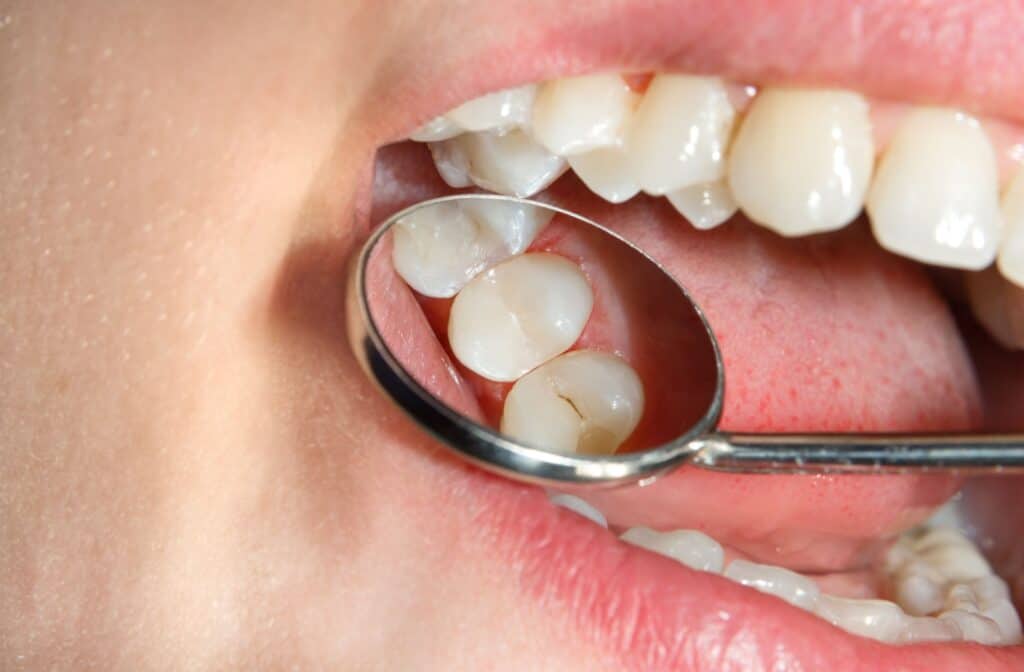
- A visible dark spot or small hole on your tooth
When Discomfort Is a Clue
If a cavity grows, the discomfort can become more noticeable. A minor sensitivity can turn into a sharper feeling when you bite down. This is your tooth’s way of telling you it needs professional help.
A persistent toothache that doesn’t go away is a clear signal to book a dental visit. Addressing the issue can help you get back to feeling comfortable. It’s always better to look into it sooner rather than later.
What Happens When a Cavity Grows?
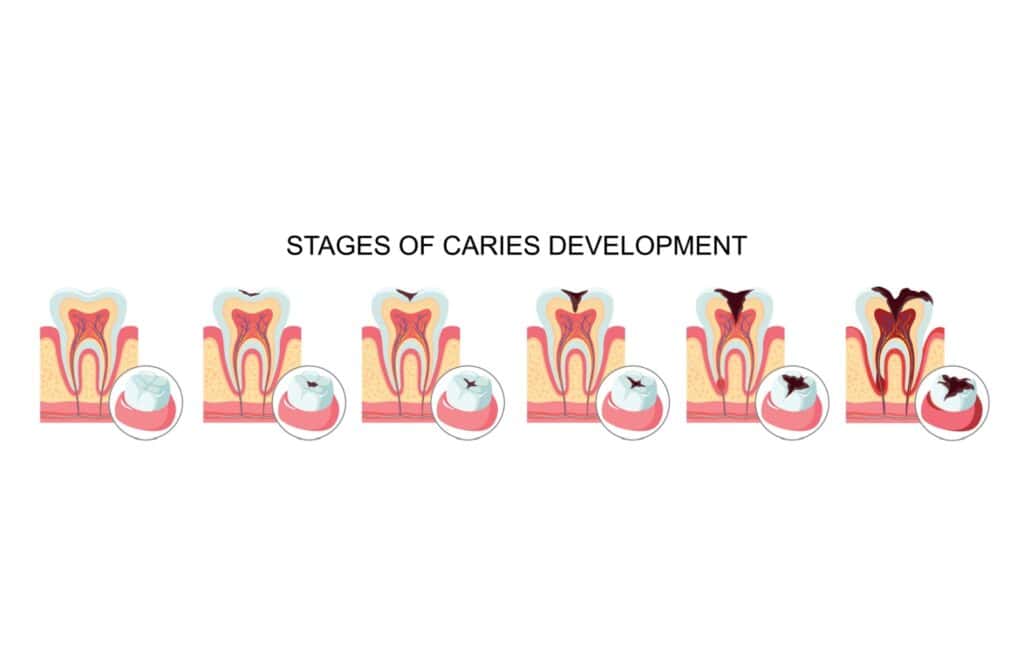
A cavity is a spot of decay on your tooth that can get bigger over time if it’s not treated. At first, it only affects the outer layer of the tooth, the enamel. As it progresses, it can move deeper toward the center of the tooth.
From a Small Spot to a Larger Problem
In the beginning, a small cavity can often be fixed with a simple dental filling. The procedure is straightforward and helps stop the decay from spreading. It’s a common way to restore a tooth’s strength and function.
If left alone, the decay can weaken the tooth structure significantly. This can lead to more complex dental issues that require different treatments. A dentist can help you address the problem while it’s still small and manageable.
Options Beyond a Simple Filling
When a cavity becomes very large, a filling might not be enough to properly repair the tooth. The tooth may need more support to function properly again. In these situations, other restorative treatments can help save the tooth.
For example, a dental crown is a cap that fits over a damaged tooth. It helps protect the tooth and restores its shape, size, and function. Your dental team can talk you through the different ways to care for a tooth with a large cavity.
Your Dental Treatment Options
The good news is that modern dentistry offers many ways to repair teeth affected by decay. Your dental team can assess your specific situation and recommend a path forward. The focus is always on your long-term health and comfort.
Dental Fillings for Early-Stage Cavities
For most cavities, a dental filling is a reliable and effective solution. Your dentist removes the decayed portion of the tooth and then fills the area with a durable material. This helps prevent further decay and brings the tooth back to its normal function.
Today’s fillings can be made from materials that match the colour of your natural teeth. This means your restored tooth can blend in seamlessly with your smile. You can chew and speak with confidence again.
Care for More Developed Cavities
If decay has caused more significant damage, your tooth might need extra support. A crown can cover the entire tooth, providing strength and protection from further damage. This approach helps you keep your natural tooth for as long as possible.
In cases where the decay has reached the soft tissue inside the tooth, a root canal treatment might be necessary. Your dental team can explain all the options available to you. The main goal is to relieve discomfort and save your natural tooth.
Protect Your Family From Tooth Decay
While it’s important to know how to treat cavities, prevention is even better. You can take simple steps at home to help keep your family’s smiles healthy. You can team up with your dental office for a proactive approach to oral health.
Good Habits Start at Home
Consistent daily habits make a huge impact on your family’s oral health. Following proper brushing and flossing techniques is a great foundation for healthy teeth. Flossing daily helps clean the tricky spots between teeth where food can get stuck.
A balanced diet also plays a big role in dental health. You can support strong teeth by limiting sugary drinks and snacks. Instead, you can offer your family healthy choices like fruits, vegetables, and dairy products.
The Role of Regular Check-ups
Regular dental check-ups are key to prevention for the whole family. During these dentistry visits, a dental team can spot potential problems before they become serious. Professional cleanings also remove plaque and tartar that you can’t get with a regular toothbrush.
It’s Never Too Late to Improve Your Oral Health
So, when is it too late to get a cavity filled? The simple answer is that it’s almost never too late to take action. There is usually a way to treat a damaged tooth, relieve your discomfort, and improve your oral health.
Take the First Step Toward a Solution
Putting off a dental visit because of worry or uncertainty is understandable. However, the first step to relief is finding out what your options are. A dental examination and cleaning can give you a clear picture of your oral health and how to move forward.
Your dental team is here to help you. We can work with you to create a plan that fits your needs and comfort level. Our focus is on your well-being and long-term health.Contact our team at South Ancaster Family Dental today to schedule an appointment. We can help you and your family achieve and maintain healthy smiles.