

Can Wisdom Teeth Regrow After Extraction?
You are likely familiar with wisdom teeth removal, a surgical experience shared among many teenagers and young adults. These teeth are often unnecessary for modern life, and they can frequently cause problems. But what happens after wisdom teeth are removed? Is it possible for them to grow back?
No, wisdom teeth do not grow back after extraction. However, it is possible (although very rare) to have more than four wisdom teeth, and some people do not get wisdom teeth at all. Keep reading to learn more about wisdom teeth and why they sometimes need extraction. Like all other teeth, wisdom teeth benefit from regular dental exams and cleanings.
What Are Wisdom Teeth?
Otherwise known as your third molars, your wisdom teeth typically emerge between the ages of 15 and 25. In Ontario, dentists start screening patients for impacted wisdom teeth around this age. You can have four wisdom teeth, located in the four back corners of your mouth at the end of each row of teeth. However, in about 80% of people, all 4 wisdom teeth do not erupt into the proper position.
Wisdom teeth are considered vestigial structures. This means they were likely more useful earlier in our evolutionary history, when our ancestors needed them to grind raw foods. But thanks to modern tools and cooking methods, third molars are no longer essential for our health and well-being.
Can Wisdom Teeth Regrow After Extraction?
No, wisdom teeth do not regrow after extraction. However, it is possible to have extra teeth. This is known as hyperdontia, or having supernumerary teeth. One study revealed that we have approximately a 2% chance of developing supernumerary teeth.
A distomolar is an extra tooth that develops in line behind your normal row of molars. You are considered to have hyperdontia if you are an adult with more than 32 teeth or a child with more than 20 baby teeth.
Extra teeth, like distomolars, do not necessarily need to be removed. However, a dentist may recommend extraction if the tooth is causing you problems, such as pain, difficulties with oral hygiene, or if it affects your ability to eat.
What Are Impacted Wisdom Teeth?
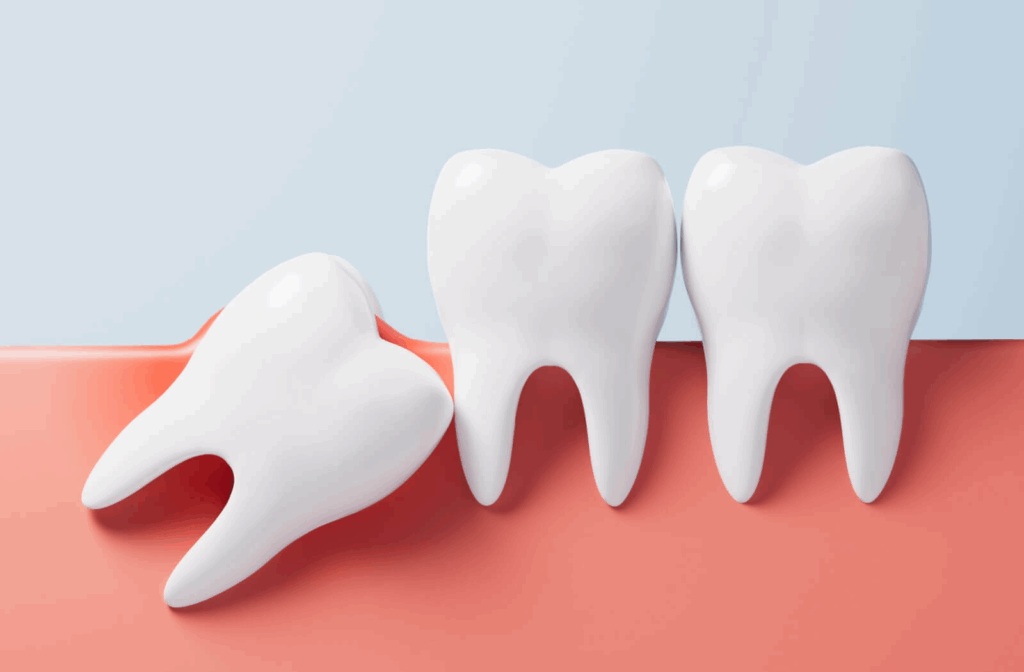
An impacted wisdom tooth is a third molar that gets stuck while trying to grow in. Having an impacted wisdom tooth raises the risk of developing infection, tooth decay, and other oral health problems. There are four types of wisdom tooth impaction:
- Mesial impaction: The wisdom tooth is positioned facing the front of the mouth, trapped at a diagonal angle.
- Distal impaction: The wisdom tooth is trapped at a diagonal angle, but facing the back of the mouth.
- Horizontal impaction: The wisdom tooth is trapped totally sideways.
- Vertical impaction: The wisdom tooth is in the proper position but has failed to erupt.
Mesial impaction is the most common type, while distal is the rarest. Horizontal impaction can be particularly painful.
How Do You Care for Wisdom Teeth?
Because they’re located at the very back of the mouth, wisdom teeth can be difficult to clean. But they require consistent care, just like your other teeth. They may even require extra time since they are located in a hard-to-reach area.
Some dental hygiene tips to keep in mind include:
- Brushing twice a day
- Flossing once a day
- Visiting your dentist regularly for dental exams and cleanings
Professional cleanings are necessary because tartar (hardened plaque) can only be removed at a dental clinic. According to the Canadian Dental Association (CDA), many people benefit from a dental visit every 6 months, but your dentist may have a more personalized frequency recommendation for you. You can also ask your dental care team for tips on how to take care of your wisdom teeth if you have erupted third molars that do not require extraction.
Why Do Wisdom Teeth Get Removed?
Even though wisdom teeth surgery is a common experience, not everyone needs it. When a dentist decides on whether a wisdom tooth needs extraction, they will assess:
- Whether the wisdom tooth is already causing problems in the patient
- Whether the wisdom tooth will likely cause problems in the future
- The overall health of your gums and teeth, including your risk of developing cavities
- How much space there is in your mouth for more teeth to grow in
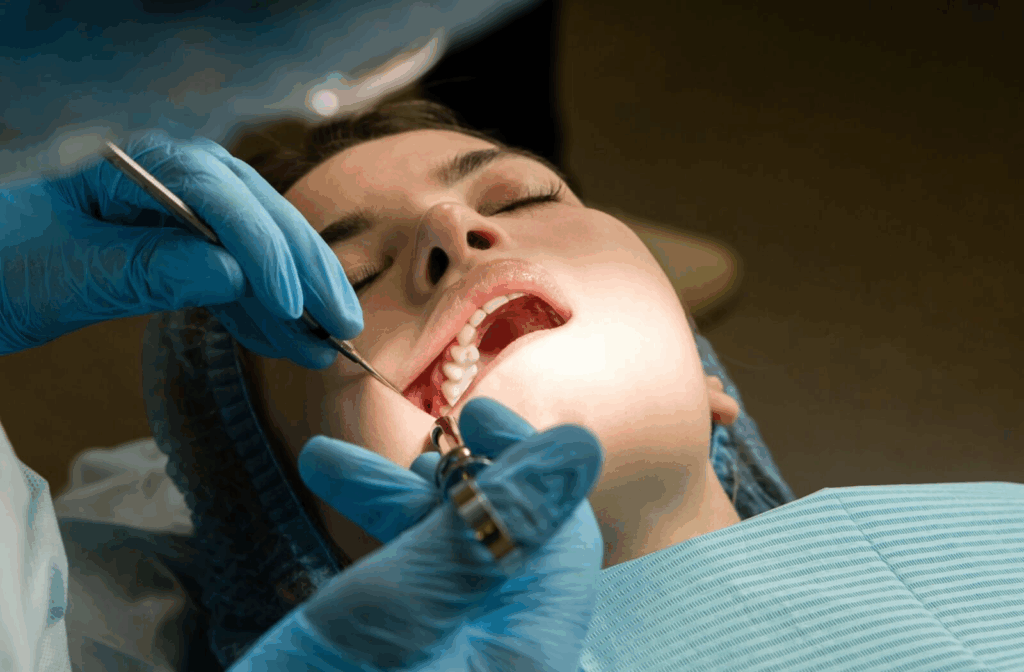
A dentist can perform wisdom teeth surgery, but in some cases, dentists may refer patients to an oral and maxillofacial surgeon (OMFS). Wisdom tooth extraction is typically performed in young adulthood because there are fewer risks associated with the procedure at this stage of life.
Wisdom tooth surgery is a common procedure, but if you are feeling nervous about it, you are not alone. Ask your dentist for information and advice with regard to sedation, anesthesia, preparation, and recovery.
Wisdom Teeth Care in South Ancaster
Whether you need a routine cleaning to maintain the health of your wisdom teeth or think you may need to extract them, our dental care team at South Ancaster Family Dental is here to help.
With modern dental equipment and televisions in each exam room, our clinic aims to provide a relaxed and comfortable environment for every patient who walks through our doors. We always strive for openness and friendliness when discussing care options with our patients, so please feel comfortable bringing us all your questions about wisdom teeth.
Schedule your appointment at South Ancaster Family Dental today.